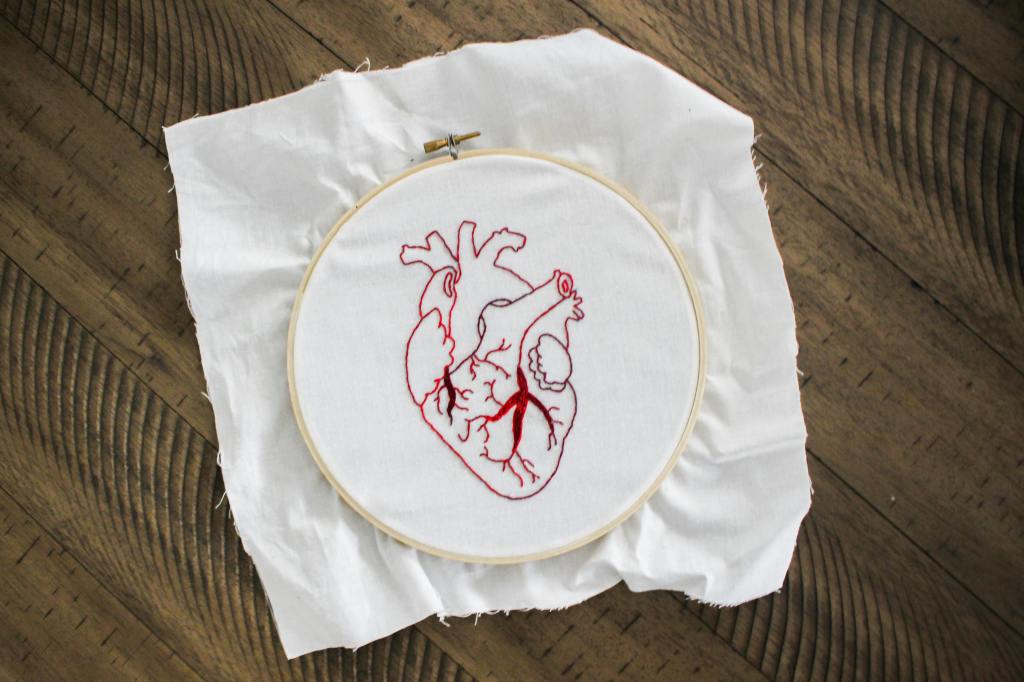
Are We Heading Towards a World Without Love? Reflections from a Thought-Provoking Conversation
“The world as we have created it is a process of our thinking. It cannot be changed without changing our thinking.”
— Albert Einstein
Recently, I found myself sitting around a table with people from different walks of life, all asking the same big question: Are we losing love in today’s world? This group of strangers from various parts of the world had gathered to share perspectives, and I was eager to ask my own question: “Are we heading toward a darker, more love-deprived era?”
This question had been on my mind since I’d listened to a podcast with Oprah, featuring Elizabeth Lesser, about the healing power of love. Just that morning, I’d also seen a distressing news article about LGBTQ+ rights being stripped away in Uganda and Kenya. All these signs pointed to a world where it sometimes feels like empathy is dwindling. Was it just my perception, or were others noticing it too?
Here are some of the most powerful moments and insights from that conversation, as shared by five individuals from different backgrounds, countries, and age groups.
When Love Feels Scarce
“When you say ‘devoid of love,’ what does that really mean?” asked Julius, a self-published author.
Taking a deep breath, I shared my thoughts. “This morning, I read another article about basic human rights being taken away from LGBTQ+ communities. It’s happening all around the globe. I feel like we’re focused more on controlling each other’s lives than on helping or understanding each other. When I talk about love in this context, I mean love for each other as people, and love for ourselves, too. It feels like we’re acting out of fear and hurt rather than love.”
The room was quiet as people reflected. Juan, a climate activist, eventually nodded in agreement. “I know what you mean. In my field, I’m constantly faced with how little we care for the planet. The climate crisis is here, but many people are more concerned about making the rich richer. It’s like we’ve lost empathy for the future—and maybe for each other.”
Julia, who had recently left her beloved hometown to escape political tensions, added, “I left my home because I felt like the political climate there was becoming more extreme. It’s not just about policies; it’s about the impact on our everyday lives, and that impact often lacks compassion.”
The Role of Power and Control
I related to Julia’s experience, having moved a few times myself. “I wanted to find a place where I could live without constantly feeling like my rights or identity were under threat. A place where apathy and refusal to understand differing points of view did not play a role in every aspect of an individual’s life. My country had started to prioritize some extremist viewpoints over the welfare of the people in general. But it seems like each time I move, the same issues pop up.”
Juan, who lives in a city known to be one of the most dynamic cities in the world, Amsterdam, replied with a half-joking tone, “Don’t look at the news from my city either. Unfortunately, these issues are spreading everywhere.”
Julia shared another thought-provoking example: “It’s as if there’s a fear of losing control. In the U.S., for instance, restricting LGBTQ and abortion rights seems less about protecting anyone and more about exerting authority. Instead of addressing the real struggles people face, many are swayed by political maneuvers that ultimately harm everyone. These decisions feel devoid of compassion, and that lack of love affects us all.”
Conversations, Self-Reflection, and Empathy
As we continued, it became clear that these issues, while painful, brought us together. “It’s amazing how our experiences shape our beliefs,” I said. “The beliefs we cling to often reflect our upbringing, our hurts, and our insecurities. Recognizing this can help us respond with more empathy rather than judgment.”
Mark, who was the oldest in the group and Julia’s husband, looked thoughtful. “I’ve spent years reflecting on my childhood experiences, and I think empathy comes easier when you understand your own story. It doesn’t feel like the world is devoid of love. It’s just that love is sometimes hard to express.”
“I wonder, sometimes, if we don’t realize the power of our words. We modify the words, ignore the evidence, and give in to the words of hatred. Here is the thing, it’s difficult for people to accept change. The ideologies are so imbibed in us that we can’t believe there might be a different way to live.”, I added.
“You know,” Michael, Julia’s husband, spoke up, “it’s not just about ideologies. We see change, but it’s hard to trust the new way when everything we’ve known has been wrapped up in fear or power struggles.”
Juan added, “I wonder if it is also about money at the end of the day. Who gives money and who has the most power wins. Then they use their words to justify everything that they believe in. E.g., most of these policies around climate change are passed because there is an element of bringing more money in. We’re talking about a potential nuclear war and no one cares! No one is talking about the impact that would have on the entire world.”
The Impact of Global Power Struggles
Julia’s eyes widened, and she shared a story that had stayed with her for years. “You know there were these articles leaked a couple of years back that showed how many times we have prevented another nuclear war. Sometimes, just due to luck. There was a war happening between the two strongest powers in the world. Submarines from one country holding nuclear weapons were out in the ocean. When the other side spotted these submarines, they started to fire to fear them into going away. One submarine couldn’t escape in time. They had orders to release nuclear weapons under such circumstances. The two commanders on the submarine gave the orders to release the weapon.
Due to sheer luck, that day there was a third commander on that submarine. He was not supposed to be there but now had a choice to make. He vetoed and went against his orders. If he wasn’t there, there would have been a big nuclear war!”
The room fell silent. The gravity of the story hung in the air. If it weren’t for a stroke of luck, the world could have changed drastically in an instant. Julia’s voice shook slightly as she finished. “The power of one individual’s choice… to go against the grain, to act in love and humanity instead of fear.”
The Power of Self-Awareness
I shared an analogy that seemed to resonate. “Imagine we all carry unhealed wounds from childhood. When someone insults us, that wound is triggered, and we react as though it’s happening all over again. If I haven’t dealt with those triggers, I might lash out, freeze, or run away. But if I know what’s bothering me, I can choose how to respond. I don’t have to escalate the situation or turn it into a confrontation.”
Julia nodded. “Maybe that’s part of the answer—awareness allows us to see others as reflections of ourselves. And once we can see ourselves in others, it becomes hard to hate. We need self-love to fuel compassion for others.”
The conversation left us all reflective. Love, empathy, and awareness felt like antidotes to the control and fear we’d been discussing. Perhaps the world wasn’t truly “devoid of love” but rather struggling to express it under the weight of insecurity, fear, and hurt.
Julia, our host, wrapped it up with a smile: “This was wonderful. I loved these past two hours, and I hope we can all meet again soon.”
Later that evening, a video suggestion popped up in my feed: Trevor Noah discussing with Jay Shetty the difference between who we think we are and how others perceive us. It reminded me that our sense of a “devoid world” may be colored by our own challenges and perspectives. Yet, with empathy and reflection, maybe we can still choose love.
“To know, is to know that you know nothing. That is the meaning of true knowledge.”
— Socrates

 Thoughts Over Brews
Leave a comment